New in the Shortest History Series
The Shortest History series condenses thousands of years into gripping, fast-paced reads. These books are your key to understanding global headlines through the lens of the past, the present, and the future.

New in the Shortest History Series:
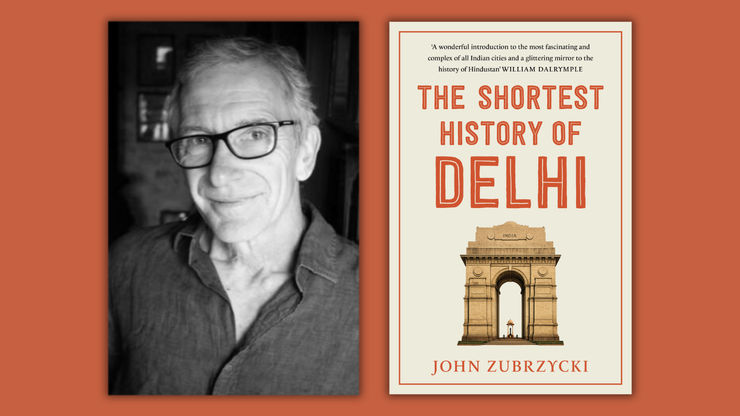
The Shortest History of Delhi
by John Zubrzycki
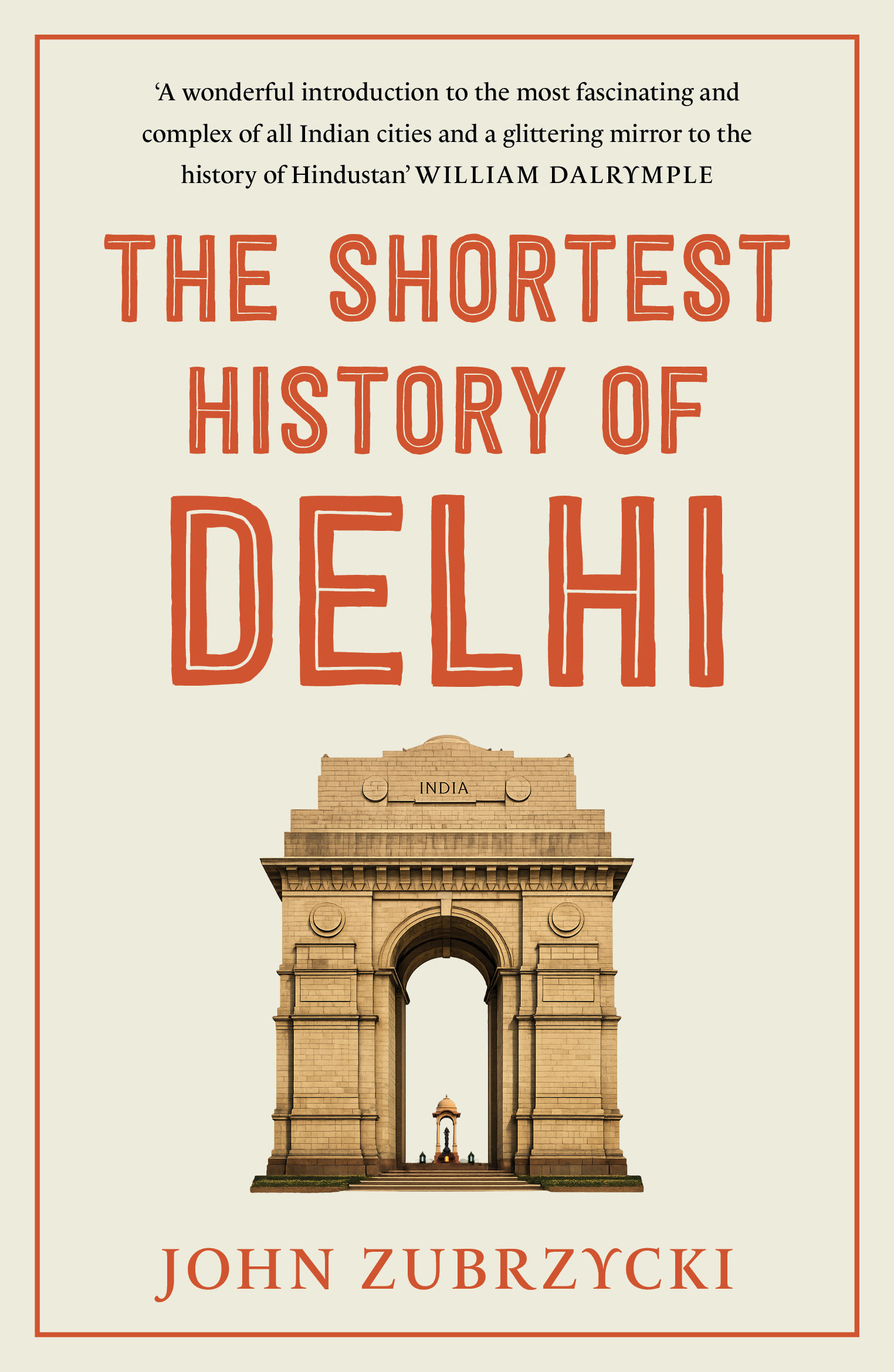
‘A wonderful introduction to the most fascinating and complex of all Indian cities and a glittering mirror to the history of Hindustan’ WILLIAM DALRYMPLE
‘A breathless and rambunctious romp … Delhi gets her newest dastango to sing her songs of beauty and loss’ IRA MUKHOTY
‘Essential reading for a meaningful introduction to Delhi’ SWAPNA LIDDLE
The essential introduction to a city that has captivated imaginations for millennia
Delhi, with its stories of intrigue and empire, decadence and artistry, destruction and rebirth, has been exhilarating travellers for centuries. Its history stretches back thousands of years, through invasions, empires and the struggle for independence.
This many-layered history can be seen on the streets of Delhi today – in ancient monuments to emperors, saints, princesses and eunuchs; in the domes of mosques clad in shimmering white marble; in stately Mughal gardens, and in the bustling laneways of its markets and neighbourhoods. Now, Delhi is a vast megalopolis, drawing people from all over the subcontinent – a cornucopia of religions, castes, languages and economic classes.
In The Shortest History of Delhi, John Zubrzycki pairs an invigorating account of Delhi’s past with an insider’s guide to the city today.
The Shortest History of Egypt
by Maria Golia
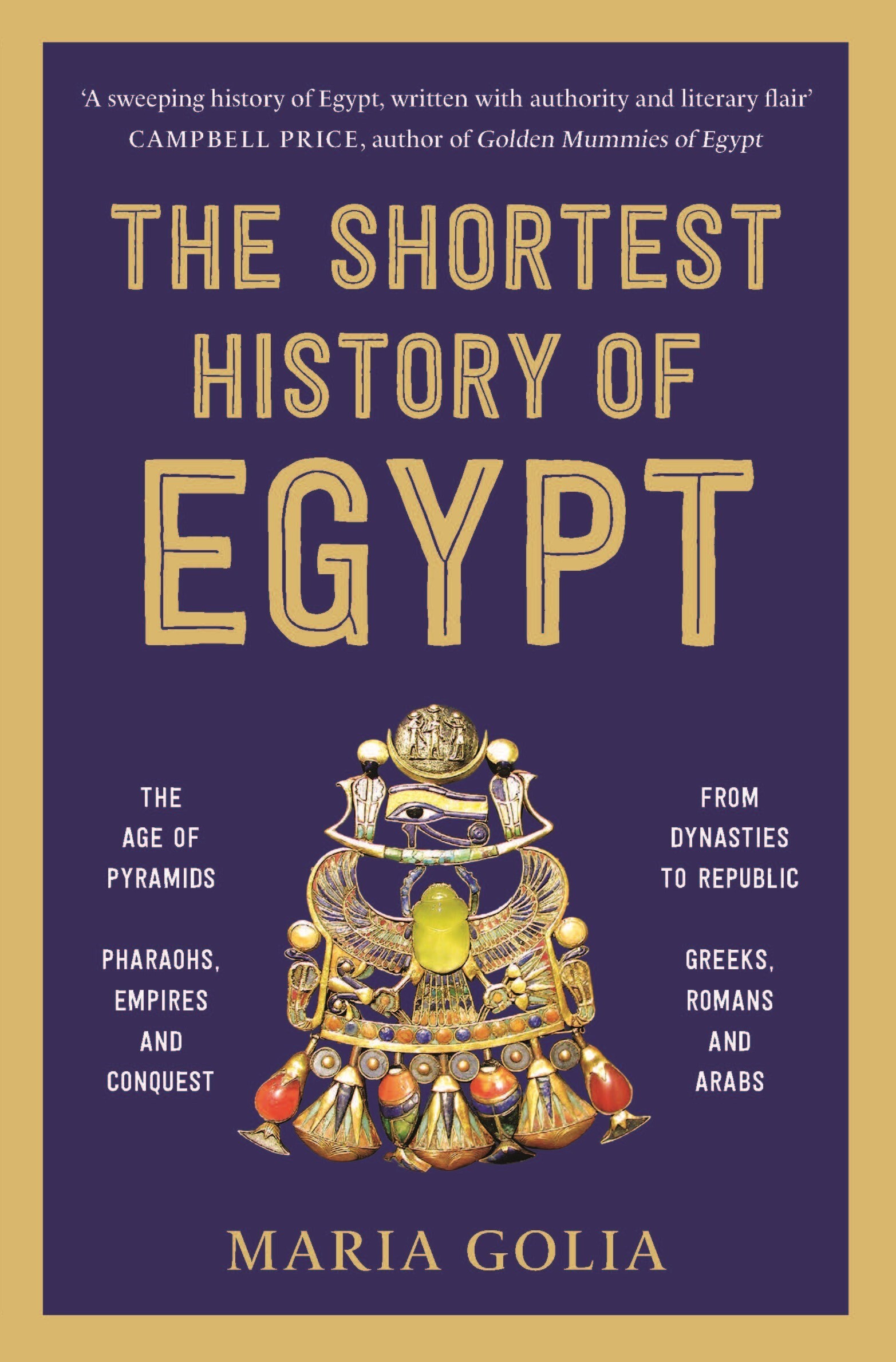
An exhilarating portrait of Egypt, from the pyramids to its precarious present
Mummies, pharaohs, hieroglyphics and the Nile – Egypt has long captivated the global imagination. But beyond its intriguing ancient monuments, what forces have shaped this nation’s unique culture? How did a civilisation trying to strike a balance between barren desert and fertile farmland come to codify the concept of eternity?
Egypt’s narrative is not just one of golden treasures and majestic temples. It is a story of survival and adaptation across waves of foreign occupiers – including the Greeks, Romans, Ottomans, French and British – and the persistent struggle between ordinary people and autocratic power.
In The Shortest History of Egypt, author Maria Golia takes us on a sweeping journey across over five millennia of the country’s past: from the formation of early cattle-herding clans and the raising of the first pyramids to the modern era of the Arab Republic and the revolutionary fervor of the Arab Spring. She reveals how an enduring relationship with limited natural resources, alongside a relentless human cycle of obedience and resistance to authority, have shaped and continue to shape this historic country and its people.
The Shortest History of Football
by Brian D. Bunk
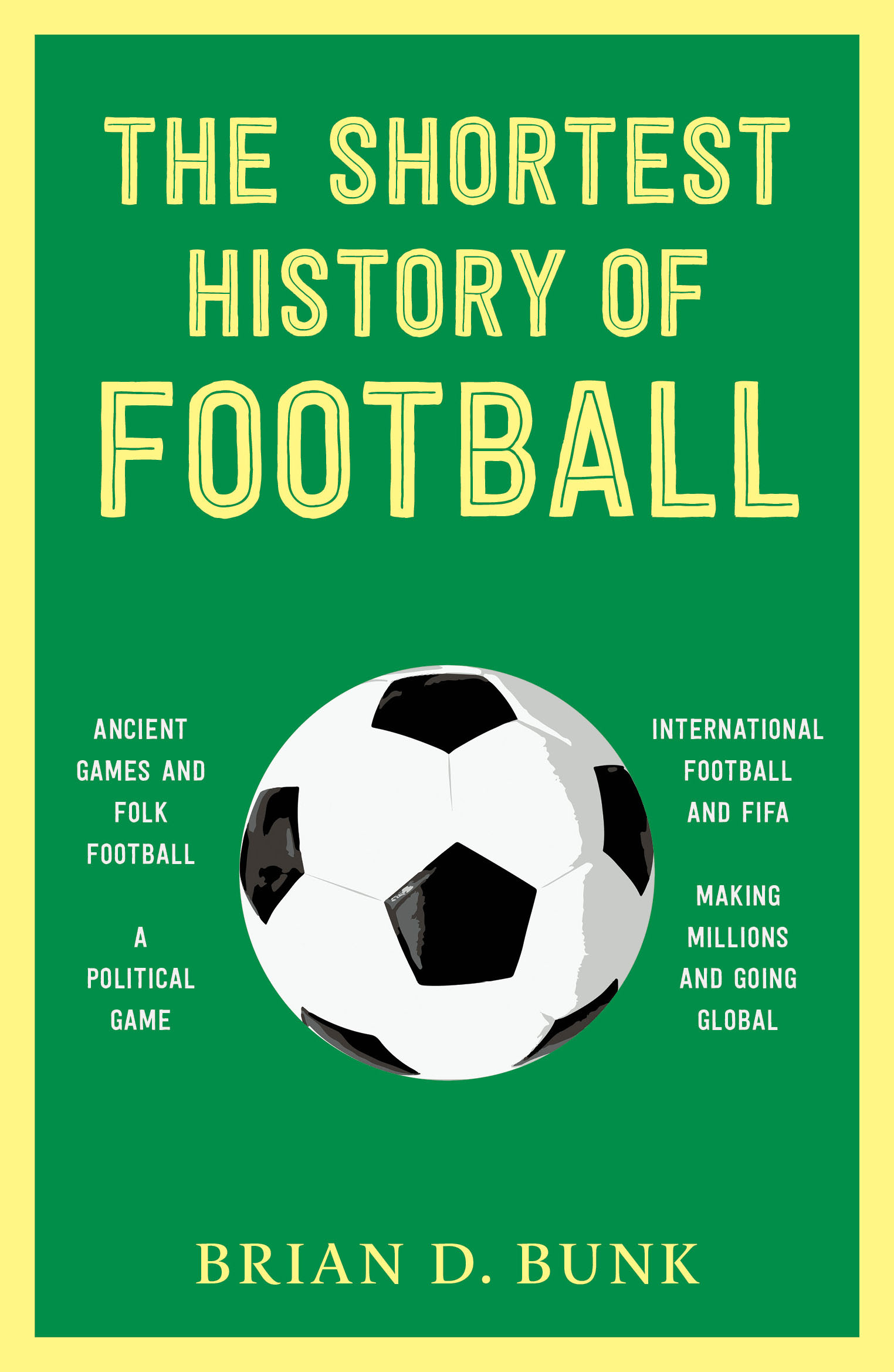
From ancient kicking games to the world’s most popular sport
Humans have enjoyed kicking balls around for thousands of years, whether in Ancient China or sixteenth-century North America. Football as we know it today was born from two vastly different British traditions: rough-and-tumble folk football and the games played in elite boarding schools. So how did it go from a local pastime to the pinnacle of global sport?
Brian D. Bunk traces the incredible history of football, comprised of both glories and tragedies: from muddy World War I trenches to the stadium-palaces of Saudi Arabia; the ancient Mayans to Lionel Messi; the first recorded women’s football match to today’s Lionesses; World Cup boycotts to enduring rivalries. Along the way, football has influenced economics and politics, and created an international community unlike any other.
The Shortest History of Football is a concise but comprehensive guide to the evolution of ‘the beautiful game’ that will delight history buffs and football fans alike.