Synopsis
A magisterial account of how India’s categories of identity, belonging and citizenship have been forged.
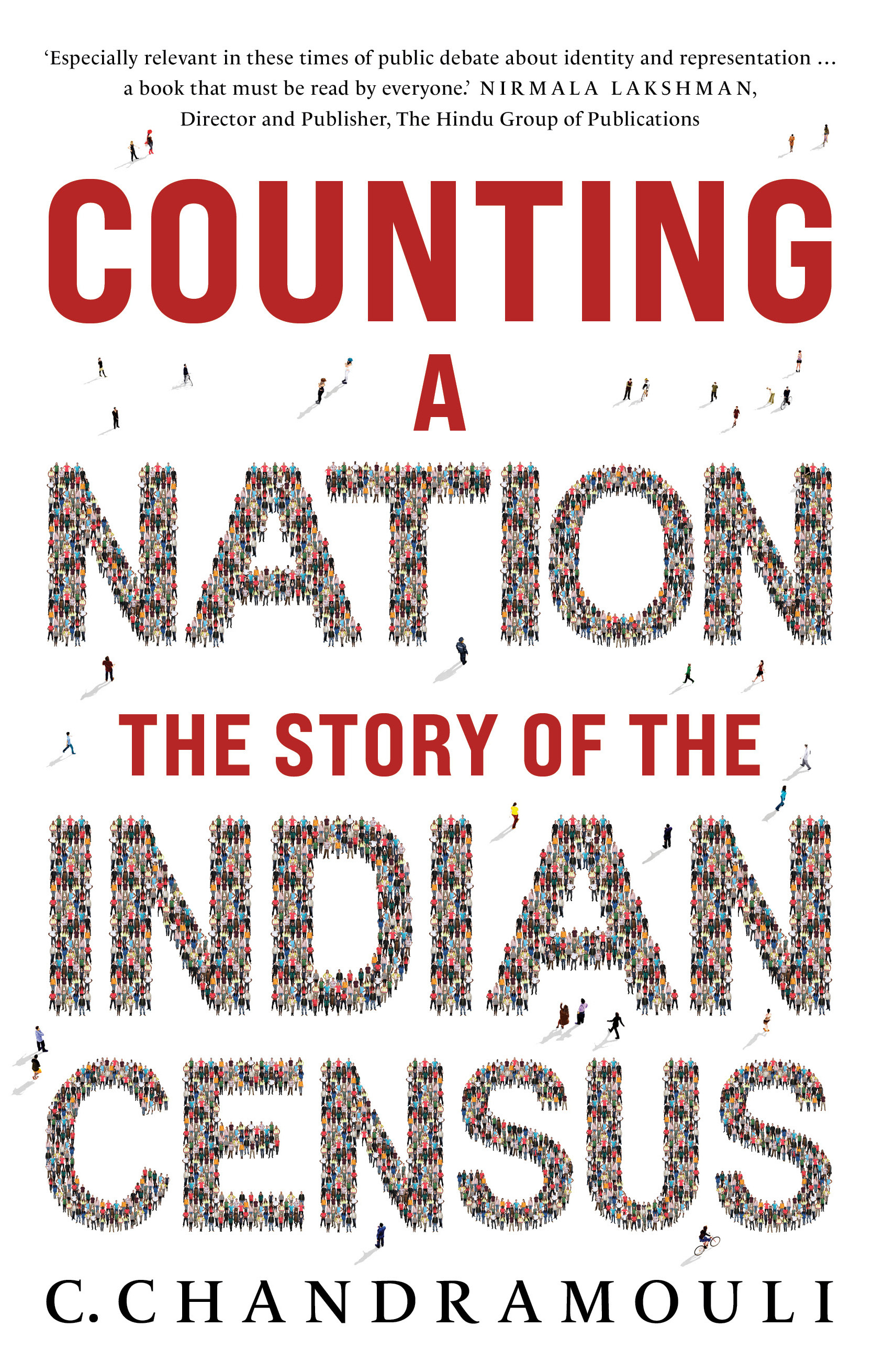
The first Indian census was carried out in 1871 in the aftermath of the 1857 Uprising. Shaken by the revolt, the British Crown had resolved that it could not govern a land it could not measure. Early enumeration, therefore, was a colonial tool of classification and control. Following Independence, the census was transformed into a democratic declaration of sovereignty and the foundation of governance and planning. Alongside the Constitution and the first General Election, it gave every citizen visibility. Over subsequent decades, the census continuously adapted to reflect the nation’s shifting imperatives – from family planning in 1971 to economic liberalization in 1991 and digital identity in 2011.
Conducted every ten years through famines, epidemics, World Wars, Partition and political upheavals, the unbroken chain of counting was interrupted for the first time in 2021 due to the COVID-19 pandemic. This long silence created a demographic void that has undermined welfare delivery, distorted political representation and weakened India’s statistical infrastructure – making Census 2027 potentially transformative.
Combining insider expertise with rigorous scholarship, former Census Commissioner and Registrar General of India C. Chandramouli demonstrates how the census is far more than a simple counting of heads: it is a profound act of translation. In every household visited, personal histories and complex loyalties are rendered into statistical facts with the power to shape policies, allocate rights and construct the very vocabulary through which a nation understands itself. The census is both a mirror in which the nation sees itself and a map by which it charts its future